
gray reflective glass
The Versatility and Importance of 20% Butterfly Valves Butterfly valves are one of the most widely used types of quarter-turn valves in various industries, owing to their simplicity, effectiveness, and reliability. Among the different configurations available, the 20% butterfly valve stands out as a crucial choice for many applications, particularly in control systems where flow regulation is essential. This article explores the features, advantages, and applications of 20% butterfly valves. Understanding Butterfly Valves Butterfly valves consist of a disc that rotates around a shaft. When the valve is closed, the disc is perpendicular to the flow of the fluid, effectively sealing the system. Conversely, when the valve is open, the disc aligns with the flow, allowing for smooth passage. The 20% butterfly valve typically refers to a valve designed to throttle up to 20% of the total flow, making it ideal for situations where precise control over the fluid’s flow rate is required. Key Features 1. Compact Design One of the most significant advantages of the 20% butterfly valve is its lightweight and compact design, which allows for easy installation in tight spaces. This feature is particularly beneficial in environments where traditional valves may not fit. 2. Quick Operation The quarter-turn operation enables rapid opening and closing, making it highly efficient in processes requiring frequent adjustments. This advantage reduces downtime and helps maintain system efficiency. 3. Excellent Flow Control The ability to control fluid flow effectively is paramount in many applications. The 20% butterfly valve provides precise flow modulation, ensuring that systems can operate under the desired conditions without the risk of overloading. 4. Material Variety 20% butterfly valves can be manufactured from a variety of materials, including stainless steel, PVC, and cast iron, catering to numerous industrial needs and environments. This versatility makes them suitable for handling different types of fluids, including corrosive substances and high-temperature applications. Advantages of Using 20% Butterfly Valves 1. Cost-Effective Compared to other valve types, butterfly valves are generally more affordable due to their simple design and manufacturing processes. This cost-effectiveness extends to maintenance, as fewer parts often lead to lower service expenses. 20 butterfly valve 2. Energy Efficiency By providing precise flow control, 20% butterfly valves help optimize energy consumption. Efficient flow regulation reduces the energy needed to pump fluids through systems, ultimately decreasing operational costs. 3. Minimal Pressure Drop Butterfly valves, including the 20% variant, typically exhibit lower pressure drops when compared to other valve types. This characteristic enhances system efficiency and reduces the risk of cavitation and surge. Applications The applications of 20% butterfly valves are diverse and span multiple industries, including - Water Treatment In municipal and industrial water treatment facilities, these valves are employed to control the flow of water and chemicals used in various processes, ensuring optimal treatment outcomes. - Food and Beverage The food and beverage industry uses 20% butterfly valves for their ability to handle sterile processes and maintain hygiene. They regulate the flow of liquids, such as juices, beer, and dairy products, with high precision. - HVAC Systems In heating, ventilation, and air conditioning (HVAC) systems, butterfly valves are used to control airflow, contributing to the efficient regulation of temperature and air quality. - Chemical Processing The ability to manage corrosive materials safely makes the 20% butterfly valve a staple in chemical processing plants. They can maintain flow consistency and control, crucial for safe processing. Conclusion In conclusion, the 20% butterfly valve is a vital component in modern industrial applications. Its design promotes energy efficiency, cost-effectiveness, and superior flow control, making it an excellent choice for a variety of systems. As industries continue to pursue greater efficiency and reliability in their operations, the role of butterfly valves is likely to grow even more significant. Understanding the benefits and applications of these valves allows engineers and decision-makers to make informed choices that enhance their systems' performance and sustainability.
about
gray reflective glass
Bird spikes are a commonly used method to prevent birds from perching or roosting on ledges, roofs, and other surfaces. These spikes are usually made of stainless steel and come in various sizes and designs to suit different applications. One popular type of bird spike is the 3% row bird spikes stainless steel, which provides effective bird control while maintaining a discreet appearance. The stainless steel material used in these bird spikes is highly durable and weather-resistant, making them suitable for outdoor use in all types of environments. They are designed to withstand harsh weather conditions, including rain, snow, and high winds, without incurring damage or corrosion. This durability ensures that the spikes will continue to provide effective bird control for an extended period, saving property owners time and money on maintenance and replacement costs. The 3% row design of these bird spikes consists of three rows of stainless steel spikes arranged in a staggered pattern. This configuration creates a physical barrier that prevents birds from landing or perching on the protected surface. The spikes are sharp enough to deter birds from landing, but not harmful enough to cause injury. This humane approach to bird control ensures that birds are encouraged to find alternative roosting spots without causing them harm . These bird spikes are easy to install and require minimal maintenance once in place 3 row bird spikes stainless steel . They can be mounted using adhesive, screws, or cable ties, depending on the application and surface type. The spikes can be cut to size to fit any area, making them versatile and adaptable to different surfaces and configurations. Once installed, the spikes blend in seamlessly with the surroundings, providing effective bird control without compromising the aesthetic appeal of the property. The 3% row bird spikes stainless steel are suitable for a wide range of applications, including residential homes, commercial buildings, industrial facilities, and public spaces. They are commonly used on ledges, rooftops, signs, fences, and other surfaces where birds tend to perch or roost. By installing these bird spikes, property owners can protect their buildings and structures from bird damage, such as droppings, nests, and noise, while maintaining a clean and professional appearance. In conclusion, 3% row bird spikes stainless steel are a reliable and effective solution for bird control in various environments. Their durable construction, humane design, and easy installation make them a popular choice for property owners seeking to deter birds from roosting on their buildings. By investing in quality bird spikes, property owners can enjoy long-lasting bird control and peace of mind knowing that their property is protected from the nuisance and damage caused by birds.
-

High quality industrial productsagement

High quality industrial products
View Details -

Meet the diverse needs of customers

Meet the diverse needs of customers
View Details -

Strict quality control

Strict quality control
View Details -

Top raw materials

Top raw materials
View Details -

Trusted supplier

Trusted supplier
View Details
Our application


news and information
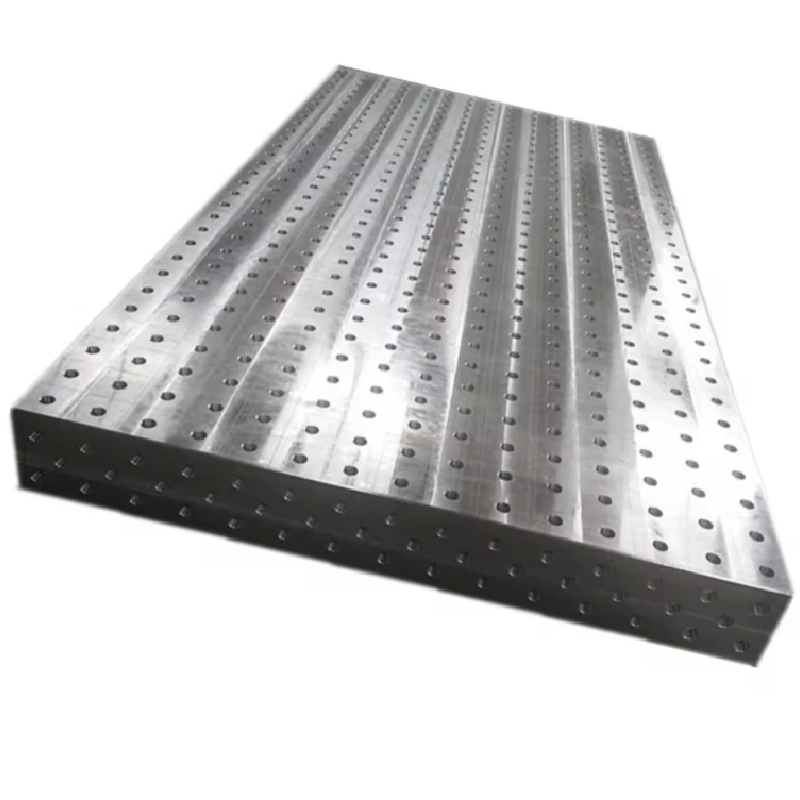
Welding and Fabrication Techniques for Enhanced Structural Integrity and Performance
Understanding the Welding Fabrication Table A Key Tool for Metalworking In the realm of metalworking

What Are the Different Types of Gate Valves_
When diving into the world of industrial flow control, understanding the various types of gate valve
Válvula borboleta 250mm
Válvula Borboleta de 250mm Eficiência e Versatilidade em Sistemas de Fluídos As válvulas borboleta t
 English